Shubh Muhurat for Baby Naming Ceremony (Naamkaran Sanskar) 2026-2027
The Naamkaran Sanskar (नामकरण संस्कार) is one of the most sacred Hindu rituals — the formal naming ceremony for a newborn child. In Vedic tradition, a child’s name is not chosen casually; it is determined based on the birth Nakshatra, Rashi (Moon sign), and auspicious planetary alignments.
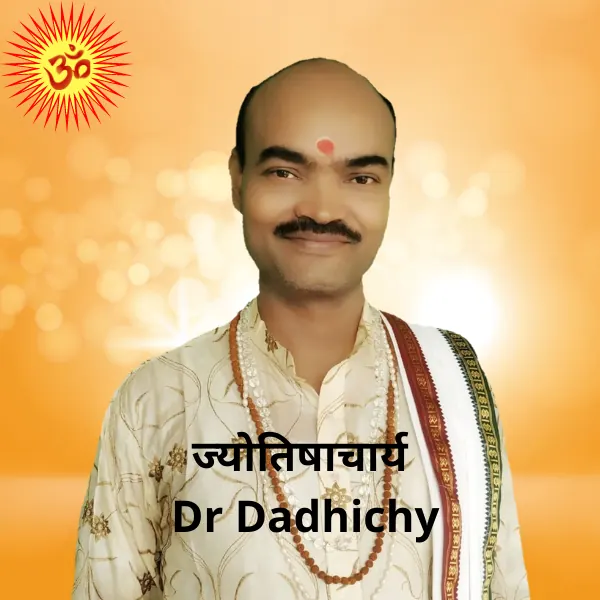
As a Jyotishacharya with 30+ years of experience, I have guided thousands of families in selecting the perfect name for their child based on their birth chart. This comprehensive guide provides month-wise auspicious dates and the complete Vedic naming system.
⚠️ Important Disclaimer: While general guidelines are available, the ideal Naamkaran muhurat and the first letter of the baby’s name depend entirely on the child’s exact date, time, and place of birth (Janma Nakshatra and Rashi). We strongly recommend consulting Dr. Dadhichy for a personalized calculation specifically matching your baby’s Kundali.
When Should Naamkaran Be Performed?
According to Dharma Shastra, the naming ceremony should ideally be performed on the 11th or 12th day after birth. However, many families choose to perform it:
- 11th day (Ekadashi) — Most traditional and auspicious
- 12th day — Equally recommended
- 1st month completion — Common modern practice
- Within first 100 days — Acceptable alternative
Important: Avoid performing Naamkaran during Ashaucha (Sutak) period or when the mother is not well enough to participate.
Auspicious Periods and Guidelines for Naamkaran: 2026 — 2027
Determining the ideal date for a baby naming ceremony requires analyzing the newborn’s planetary alignment. Because these dates are highly personalized, the Hindu Panchang provides general guidelines for auspicious timing rather than a one-size-fits-all calendar.
General Auspicious Naming Windows
- The 11th or 12th Day Post-Birth: Traditionally, the most auspicious and recommended time for Naamkaran is on the 11th day (Ekadashi) or 12th day after the baby’s birth. Under Vedic tradition, if performed during this specific window, the ceremony is inherently blessed and does not require a separate complex muhurat calculation.
- Auspicious Nakshatras: If the naming ceremony cannot be held on the 11th or 12th day, it should be planned on a day when the transiting Moon is in one of the following highly auspicious Nakshatras:
- Rohini, Pushya, Hasta, Swati, Anuradha, Revati, Mrigashira, Chitra, and Uttara Phalguni.
- Auspicious Tithis (Lunar Days):
- Favorable Tithis include: Dwitiya (2nd), Tritiya (3rd), Panchami (5th), Saptami (7th), Dashami (10th), Ekadashi (11th), and Trayodashi (13th) of the Shukla Paksha (waxing phase of the Moon).
- Days of the Week:
- Monday, Wednesday, Thursday, and Friday are highly favored for Naamkaran ceremonies.
Inauspicious Periods to Avoid
- Sutak (Ashaucha) Period: Perform the ceremony only after the traditional post-birth purification period is complete.
- Inauspicious Times: Avoid performing the naming rituals during Rahu Kaal, Bhadra, Panchak, or on Amavasya (New Moon) days.
- Eclipse Cycles: Naming ceremonies should never be performed during solar or lunar eclipses.
📅 Panchang Disclaimer: While general dates in any month of 2026–2027 (such as the post-Diwali winter season or spring) are favorable, the exact time window (Shubh Choghadiya or Hora) should be calculated based on the baby’s birth coordinates. For a personalized name letter and exact muhurat suited to your baby’s chart, consult Dr. Dadhichy.
Month-wise Naamkaran Muhurat Calendar: 2026 — 2027
To help you plan, here is the complete calendar of generally auspicious days for the Naamkaran Sanskar from July 2026 through March 2027.
🟢 July 2026
July offers excellent planetary transitions for naming ceremonies before the holy month of Shravana.
| Date | Day | Nakshatra / Alignment Notes |
|---|---|---|
| July 1 | Wednesday | Auspicious mid-week Nakshatra |
| July 2 | Thursday | Favorable Guruvaar alignment |
| July 6 | Monday | Auspicious Somvar window |
| July 8 | Wednesday | Shubh planetary transit |
| July 10 | Friday | Favorable Shukravaar |
| July 12 | Sunday | Favorable weekend muhurat |
| July 15 | Wednesday | Shubh Nakshatra combination |
| July 19 | Sunday | Excellent solar alignment |
| July 20 | Monday | Favorable lunar transit |
| July 24 | Friday | Auspicious Friday timing |
| July 29 | Wednesday | Shubh mid-week day |
🟡 August 2026
Note on Chaturmas: Although Chaturmas begins on July 25, 2026, time-sensitive Sanskars related to childbirth (such as Jatakarma and Naamkaran) are permitted on select days with pure, supportive Nakshatra alignments.
| Date | Day | Nakshatra / Alignment Notes |
|---|---|---|
| August 2 | Sunday | Uttara Bhadrapada (Evening window) |
| August 5 | Wednesday | Ashwini Nakshatra alignment |
| August 7 | Friday | Shubh Friday transit |
| August 16 | Sunday | Hasta Nakshatra (Weekend) |
| August 17 | Monday | Purva Phalguni (Favorable) |
| August 20 | Thursday | Anuradha Nakshatra |
| August 21 | Friday | Favorable Shukravaar |
| August 24 | Monday | Uttara Ashadha Nakshatra |
| August 25 | Tuesday | Favorable planetary transit |
| August 26 | Wednesday | Shravana Nakshatra |
| August 28 | Friday | Shubh Friday alignment |
🟡 September 2026
Note on Pitru Paksha: During this fortnight dedicated to ancestors, grand celebrations are typically avoided. However, a quiet, simple Naamkaran ceremony is permitted without ostentation if the baby’s 11th or 12th day falls within this period.
| Date | Day | Nakshatra / Alignment Notes |
|---|---|---|
| September 4 | Friday | Rohini Nakshatra (Highly auspicious) |
| September 7 | Monday | Pushya Nakshatra (Excellent) |
| September 13 | Sunday | Hasta Nakshatra (Favorable) |
| September 16 | Wednesday | Anuradha Nakshatra |
| September 21 | Monday | Uttara Ashadha Nakshatra |
| September 23 | Wednesday | Shravana Nakshatra |
| September 27 | Sunday | Uttara Bhadrapada Nakshatra |
🟢 October 2026
With Pitru Paksha complete, October opens up beautiful autumn dates for naming your newborn.
| Date | Day | Nakshatra / Alignment Notes |
|---|---|---|
| October 1 | Thursday | Rohini Nakshatra |
| October 2 | Friday | Rohini (Shukravaar alignment) |
| October 3 | Saturday | Favorable weekend window |
| October 5 | Monday | Pushya Nakshatra (Highly auspicious) |
| October 9 | Friday | Hasta Nakshatra |
| October 10 | Saturday | Chitra Nakshatra |
| October 14 | Wednesday | Anuradha Nakshatra |
| October 15 | Thursday | Anuradha (Guruvaar alignment) |
| October 18 | Sunday | Uttara Ashadha Nakshatra |
| October 21 | Wednesday | Shubh mid-week transit |
| October 23 | Friday | Favorable Friday window |
| October 25 | Sunday | Auspicious weekend day |
| October 28 | Wednesday | Favorable planetary alignment |
🟢 November 2026
The auspicious energies of Devutthana Ekadashi (November 20) mark the end of Chaturmas, making the late autumn season a highly sought-after time.
| Date | Day | Nakshatra / Alignment Notes |
|---|---|---|
| November 2 | Monday | Favorable Somvar transit |
| November 4 | Wednesday | Shubh Budhvar Nakshatra |
| November 6 | Friday | Auspicious Friday window |
| November 10 | Tuesday | Favorable Nakshatra alignment |
| November 11 | Wednesday | Shubh planetary transit |
| November 14 | Saturday | Favorable weekend day |
| November 18 | Wednesday | Budhvar auspicious timing |
| November 20 | Friday | Devutthana Ekadashi (Highly auspicious) |
| November 22 | Sunday | Favorable weekend alignment |
| November 23 | Monday | Shubh Somvar transit |
| November 26 | Thursday | Guruvaar auspicious window |
🟢 December 2026
December offers a highly stable set of dates with powerful lunar transits before the Sun enters Sagittarius (Kharmas).
| Date | Day | Nakshatra / Alignment Notes |
|---|---|---|
| December 3 | Thursday | Hasta Nakshatra (Guruvaar) |
| December 7 | Monday | Anuradha Nakshatra |
| December 12 | Saturday | Uttara Ashadha Nakshatra |
| December 13 | Sunday | Shravana Nakshatra |
| December 17 | Thursday | Uttara Bhadrapada |
| December 20 | Sunday | Ashwini Nakshatra |
| December 23 | Wednesday | Rohini Nakshatra |
| December 25 | Friday | Pushya Nakshatra (Gita Jayanti) |
| December 30 | Wednesday | Hasta Nakshatra |
🟢 January 2027
Note on Kharmas: The Sun is in Sagittarius until January 14. While marriages and new construction entries are paused, Naamkaran rituals are allowed on these dates if necessary for the child’s age limit.
| Date | Day | Nakshatra / Alignment Notes |
|---|---|---|
| January 1 | Friday | New Year’s Day (Auspicious Friday) |
| January 3 | Sunday | Favorable weekend transit |
| January 4 | Monday | Shubh Somvar window |
| January 8 | Friday | Favorable Friday alignment |
| January 10 | Sunday | Auspicious weekend day |
| January 13 | Wednesday | Shubh mid-week transit |
| January 14 | Thursday | Makar Sankranti (Highly auspicious) |
| January 15 | Friday | Post-Sankranti favorable transit |
| January 18 | Monday | Shubh Somvar alignment |
| January 20 | Wednesday | Favorable Budhvar transit |
| January 22 | Friday | Shubh Friday window |
| January 27 | Wednesday | Favorable planetary transit |
| January 28 | Thursday | Shubh Guruvaar alignment |
| January 29 | Friday | Favorable Friday transit |
| January 31 | Sunday | Auspicious weekend day |
🟢 February 2027
A beautiful spring season begins, containing some of the year’s strongest astrological combinations, including Vasant Panchami.
| Date | Day | Nakshatra / Alignment Notes |
|---|---|---|
| February 7 | Sunday | Favorable Sunday transit |
| February 8 | Monday | Shubh Somvar alignment |
| February 11 | Thursday | Vasant Panchami (Highly auspicious) |
| February 12 | Friday | Favorable Friday window |
| February 18 | Thursday | Shubh Guruvaar transit |
| February 19 | Friday | Favorable Friday alignment |
| February 22 | Monday | Shubh Somvar window |
| February 24 | Wednesday | Favorable mid-week day |
| February 25 | Thursday | Shubh Guruvaar transit |
| February 28 | Sunday | Auspicious weekend transit |
🟢 March 2027
March brings early spring muhurats before the second Kharmas transit begins on March 14, 2027.
| Date | Day | Nakshatra / Alignment Notes |
|---|---|---|
| March 4 | Thursday | Shubh Guruvaar window |
| March 5 | Friday | Favorable Friday alignment |
| March 10 | Wednesday | Auspicious mid-week day |
| March 11 | Thursday | Shubh Guruvaar alignment |
Nakshatra-Based Baby Naming System
In Vedic astrology, the first syllable of a child’s name is determined by their birth Nakshatra. This is the most important factor in Vedic naming.
Complete Nakshatra — Name Syllable Chart
| Nakshatra | Pada 1 | Pada 2 | Pada 3 | Pada 4 |
|---|---|---|---|---|
| Ashwini | चू (Chu) | चे (Che) | चो (Cho) | ला (La) |
| Bharani | ली (Li) | लू (Lu) | ले (Le) | लो (Lo) |
| Krittika | अ (A) | ई (I) | उ (U) | ए (E) |
| Rohini | ओ (O) | वा (Va) | वी (Vi) | वू (Vu) |
| Mrigashira | वे (Ve) | वो (Vo) | का (Ka) | की (Ki) |
| Ardra | कू (Ku) | घ (Gha) | ङ (Ng) | छ (Chha) |
| Punarvasu | के (Ke) | को (Ko) | हा (Ha) | ही (Hi) |
| Pushya | हू (Hu) | हे (He) | हो (Ho) | डा (Da) |
| Ashlesha | डी (Di) | डू (Du) | डे (De) | डो (Do) |
| Magha | मा (Ma) | मी (Mi) | मू (Mu) | मे (Me) |
| Purva Phalguni | मो (Mo) | टा (Ta) | टी (Ti) | टू (Tu) |
| Uttara Phalguni | टे (Te) | टो (To) | पा (Pa) | पी (Pi) |
| Hasta | पू (Pu) | ष (Sha) | ण (Na) | ठ (Tha) |
| Chitra | पे (Pe) | पो (Po) | रा (Ra) | री (Ri) |
| Swati | रू (Ru) | रे (Re) | रो (Ro) | ता (Ta) |
| Vishakha | ती (Ti) | तू (Tu) | ते (Te) | तो (To) |
| Anuradha | ना (Na) | नी (Ni) | नू (Nu) | ने (Ne) |
| Jyeshtha | नो (No) | या (Ya) | यी (Yi) | यू (Yu) |
| Moola | ये (Ye) | यो (Yo) | भा (Bha) | भी (Bhi) |
| Purva Ashadha | भू (Bhu) | धा (Dha) | फा (Pha) | ढा (Dha) |
| Uttara Ashadha | भे (Bhe) | भो (Bho) | जा (Ja) | जी (Ji) |
| Shravana | खी (Khi) | खू (Khu) | खे (Khe) | खो (Kho) |
| Dhanishtha | गा (Ga) | गी (Gi) | गू (Gu) | गे (Ge) |
| Shatabhisha | गो (Go) | सा (Sa) | सी (Si) | सू (Su) |
| Purva Bhadrapada | से (Se) | सो (So) | दा (Da) | दी (Di) |
| Uttara Bhadrapada | दू (Du) | थ (Tha) | झ (Jha) | ञ (Nya) |
| Revati | दे (De) | दो (Do) | चा (Cha) | ची (Chi) |
Naamkaran Rituals Step-by-Step
Items Required (Saamagri)
- New clothes for the baby
- Gangajal (holy water)
- Honey and ghee (small quantity)
- Gold ring or gold wire
- Akshat (unbroken rice grains)
- Turmeric (Haldi) and Kumkum
- Flowers and garland
- Incense sticks and camphor
- A writing slate or paper with pen
The Ceremony Process
- Purification — The mother and child are bathed and dressed in new clothes
- Ganesh Puja — Lord Ganesh is worshipped to remove obstacles
- Havan — Sacred fire ritual with mantras
- Name Announcement — The father writes the name on a plate of rice and whispers it in the child’s right ear three times
- Blessings — Elders bless the child by placing akshat on their head
- Prasad Distribution — Sweets are distributed to all present
Types of Names in Vedic Tradition
According to the scriptures, a child should ideally have four types of names:
- Nakshatra Naam — Based on birth Nakshatra syllable (most important for astrological purposes)
- Maas Naam — Based on the birth month deity
- Devata Naam — Based on the family deity (Kul Devata)
- Vyavaharik Naam — The everyday name used in society (should also follow Nakshatra guidelines)
Important Guidelines for Choosing the Name
Do’s ✓
- Start with the correct Nakshatra syllable
- Choose names with auspicious meanings
- Consider the number of syllables (even numbers like 2 or 4 are preferred)
- Ensure the name is easy to pronounce
- Select names that reflect positive qualities
Don’ts ✗
- Avoid names of departed ancestors (unless specifically advised)
- Don’t use names that are difficult to spell or pronounce
- Avoid names with negative connotations
- Don’t ignore the Nakshatra system completely
- Avoid naming after living relatives
When to Consult an Astrologer for Naming
While this guide provides general muhurat dates, personalized consultation is recommended when:
- The birth Nakshatra falls in Gandmool category
- The child has Mangal Dosh or other planetary afflictions
- You want the name to specifically strengthen weak planets
- The family has specific Gotra or traditional naming requirements
- You need multiple name options with detailed numerological analysis
For personalized Naamkaran muhurat calculation, Nakshatra-based name suggestions, and complete naming ceremony guidance, contact Dr. Dadhichy at +91 9931205355 or WhatsApp.